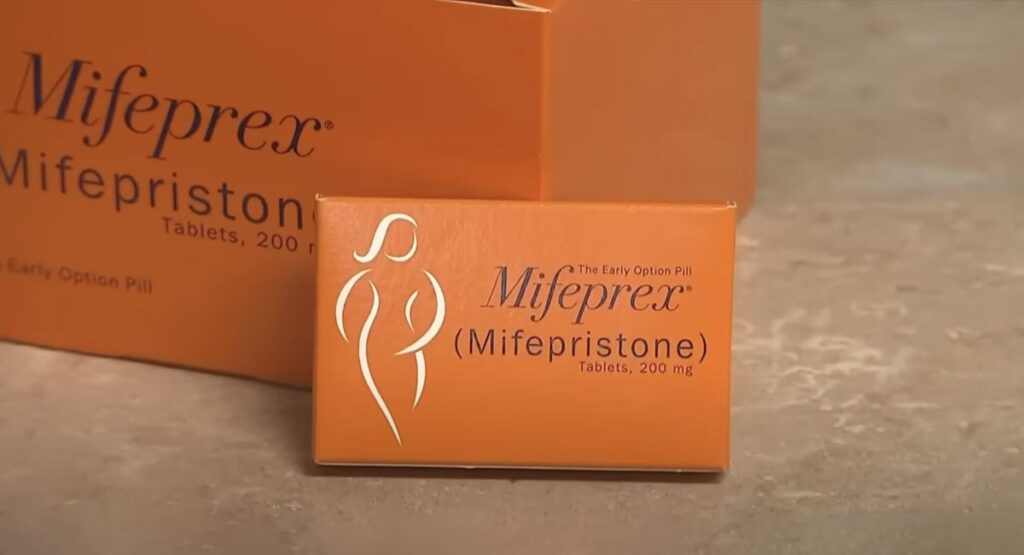
Two recent articles highlight the deaths of Georgia women who passed away after taking abortion drugs. 28-year-old Amber Thurman and 41-year-old Candi Miller both died in 2022. According to ProPublica, Ms. Thurman was legally given abortion drugs from a North Carolina abortion clinic to which she had driven at nine weeks’ gestation with twins; she took the first pill, mifepristone, at the clinic, and was advised to take the second, misoprostol, at home and visit the emergency department if she faced any complications. That’s exactly what happened; after driving home and taking misoprostol at home the next day, Thurman experienced increasingly worsening symptoms over the next few days – heavy bleeding, vomiting blood, and passing out – after which she was transported to the emergency room, determined to have retained pregnancy tissue in her uterus, and started on antibiotics for sepsis. Even though the standard of care at this point would have been to offer her a D&C in addition to antibiotics, Ms. Thurman was not given a D&C for another 20 hours, during which time her condition worsened. After she was finally given a D&C, Ms. Thurman was determined to need a hysterectomy. She died on the operating table.
Ms. Miller, who suffered from multiple chronic health issues, including lupus and diabetes, obtained her drugs from the website Aid Access and ingested them at home. She was found unresponsive by her family in her home a few days later. While the details of her case are less clear than Ms. Thurman’s, she was found to have retained tissue, as well as lethal doses of diphenhydramine (the main ingredient in Benadryl), acetaminophen (the main ingredient in Tylenol), and fentanyl in her system.
While pro-abortion advocates like Vice President Kamala Harris have attempted to blame Georgia’s pro-life law for these women’s deaths, this narrative does not align with the facts of these cases. Ms. Thurman passed away from complications of legally obtained abortion drugs and medical negligence. She should have been given a D&C when she first presented at the hospital. Georgia’s law would clearly have allowed for a D&C because not only was she facing a medical emergency, but also her twins did not have heartbeats. Ms. Miller could legally have gotten help from medical professionals who could have monitored her pregnancy and intervened if her condition became life-threatening. Contrary to common narratives, she would not have been prosecuted for seeking abortion.
What abortion advocates are overlooking is that these women died taking the same drugs that they insist are “safer than Tylenol.” They both took abortion drugs under unsafe conditions – Ms. Thurman without follow-up from her abortion clinic, Ms. Miller without any medical supervision whatsoever – yet the FDA approved and enabled women to go through induced abortions under these circumstances when they removed the in-person dispensing and follow-up requirements. Furthermore, abortion advocates have gone so far as to claim that self-managed abortions are perfectly safe. These tragic stories prove otherwise.
AAPLOG has responded at length to these stories; you can read our online statements on Ms. Thurman and Ms. Miller’s stories here, as well as a Twitter thread detailing the timeline of negligence that Ms. Thurman experienced, and another thread on Ms. Miller here. In addition, AAPLOG CEO Dr. Christina Francis filmed a video on Ms. Miller’s story, and AAPLOG Board Vice Chair Dr. Susan Bane filmed another video on Ms. Thurman’s story. We encourage members to share our responses and speak out about the dangers of abortion drugs.